Key Considerations: Parking, Storage, and Pets
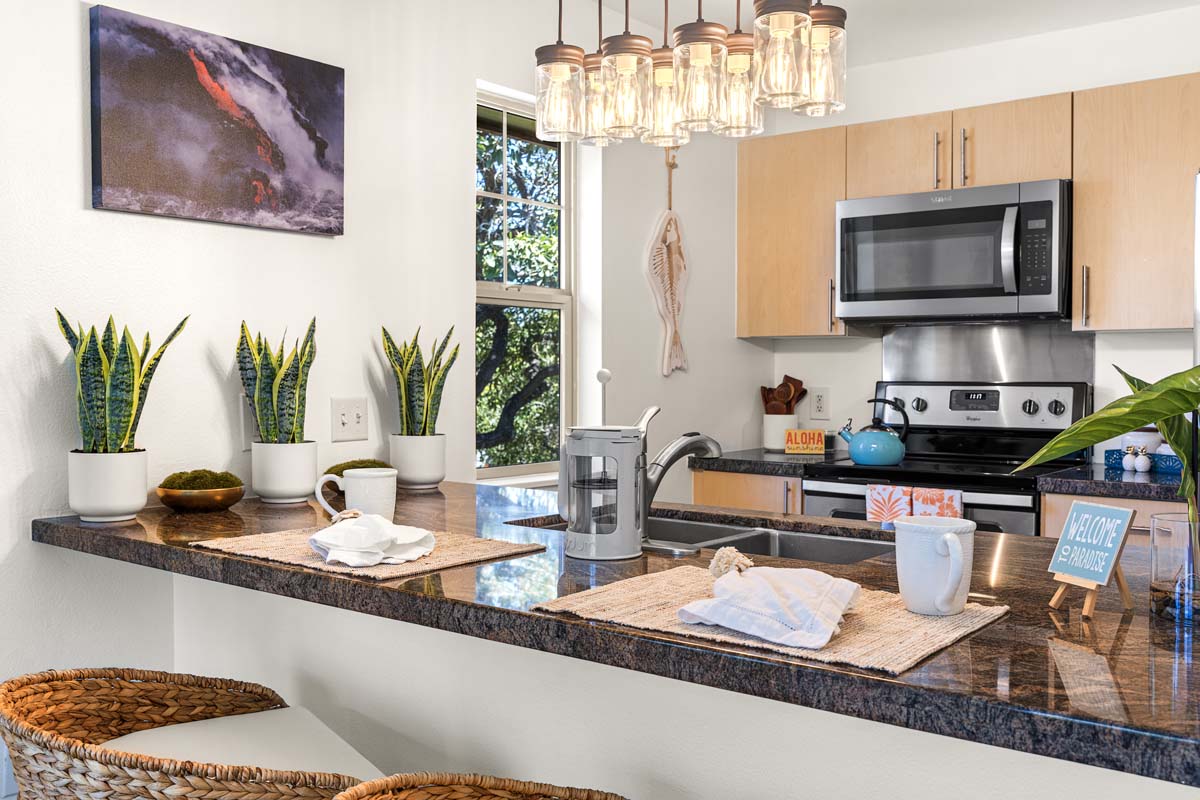
I’ve been hosting a lot of open houses lately, and over the years I’ve found that open houses become an especially important tool in a buyer’s market. When inventory is high, choices multiply quickly, much like geckos on a lanai.
With more condos to tour, many buyers are starting their search by attending open houses and are asking smarter, more practical questions as they evaluate their options. Over the past few weeks, I’ve noticed the same three questions coming up again and again, so I wanted to answer them here for other buyers who may be considering a condominium on the Big Island as well.
Whether you’re buying a condo as a primary residence, a second home, or an investment property you’ll enjoy part-time, these questions are the big considerations that can quietly shape your options, your budget, and the complex you choose.
1. Are Pets Allowed in Hawaiʻi Island Condos?
Short answer: usually no. Longer answer: sometimes, with size and number of animals restrictions.
Most condominium complexes on Hawaiʻi Island are not pet-friendly. There are a handful of exceptions in places like Waikoloa Village, Mauna Lani Resort, and Kona but we’re talking maybe 5–10 complexes total that allow pets.
Even then, expect:
- Size limits
- Limits on the number of pets (no more then two pets)
- Board Approval prior to allowance
- Pets must be on leash at all times
If having a pet is non-negotiable, the smartest approach is to begin your search by focusing only on pet-friendly condominium complexes, or to consider a single-family home where there are no restrictions. Otherwise, it’s easy to fall in love with a condo that simply won’t work for your lifestyle.
2. How Parking Works in Hawaiʻi Island Condos
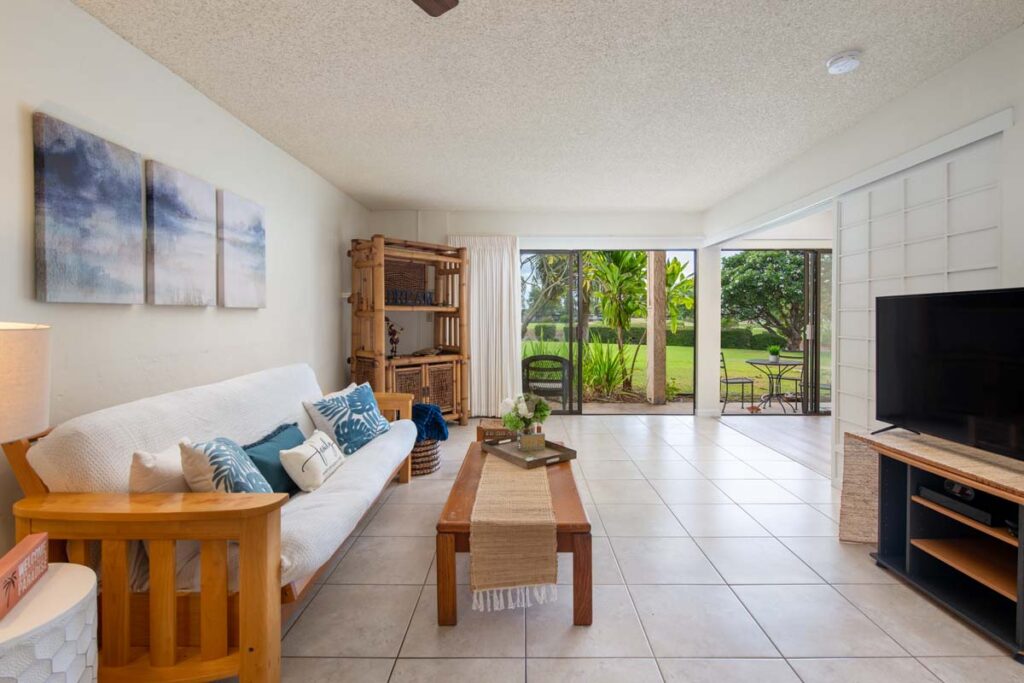
Most condos on the island come with one deeded parking stall. That’s the norm.
Why do buyers ask about two?
- Many owners spend 2–6 months a year on island
- Leaving a car here saves a fortune on rentals
- Two cars quickly become a lifestyle convenience
Here’s the catch. If the condo is used as a short-term vacation rental (such as Airbnb or VRBO), Hawaiʻi County regulations under Ordinance 2018-114 (Bill 108, Section 25-4(c)) require that guest vehicles be parked in the unit’s designated parking stall, and that stall must be reserved for the guest.
If the condo has only one parking space, that raises an important question: where does the owner park their vehicle? Many homeowners pay to have their car storged on other locations of the island due to the limited parking that condominiums offer owners.
This is why condos with:
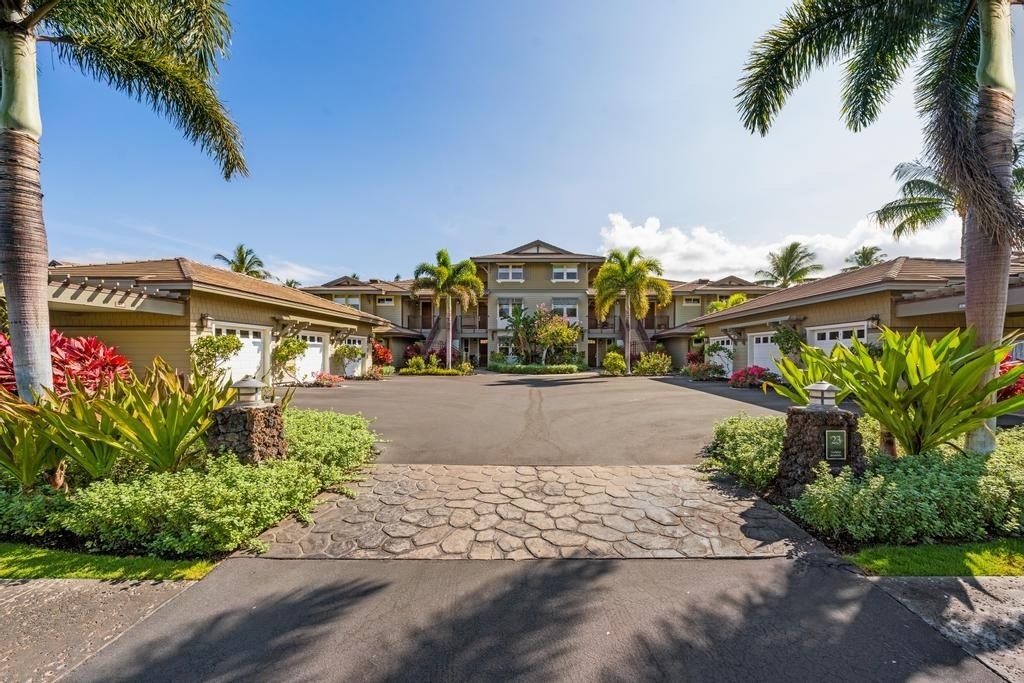
- A garage
- Or two deeded parking stalls
Features are in much higher demand and tend to sell more quickly and at higher prices because they solve a real, everyday problem. With limited supply, the outcome is both strong and predictable.
If two parking spots are essential, narrow your search early and expect a premium.
3. Understanding Storage Options and Limitations
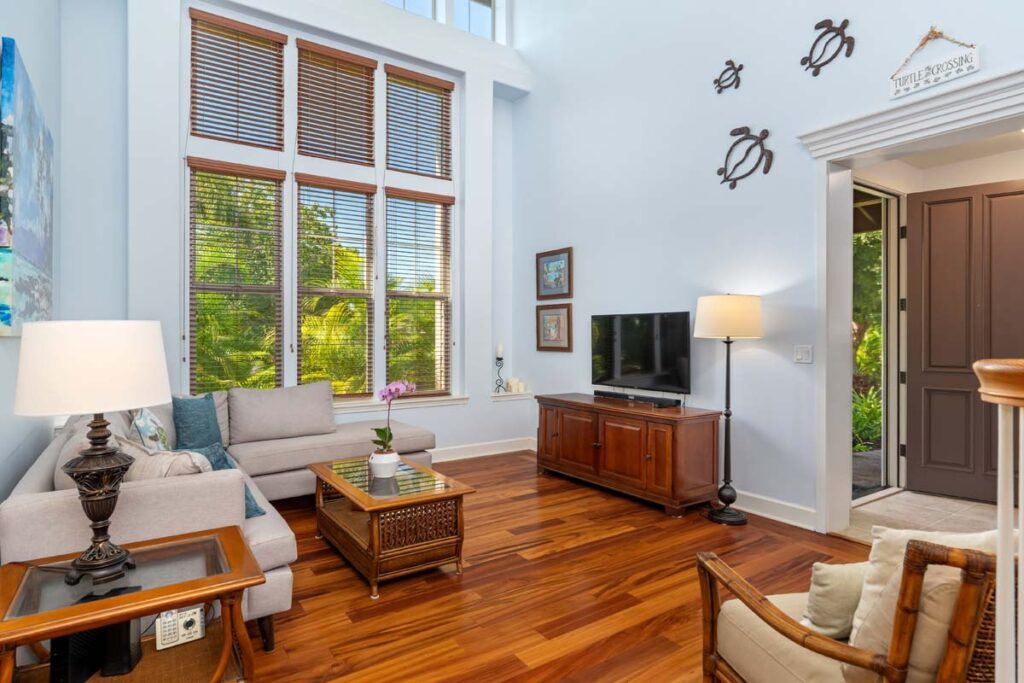
Condos here are not designed for bulk storage, or as we call it, Costco storage. Translation: your surfboard, boggie boards, golf clubs and e-bikes may need to go to their own storage.
Common buyer questions include:
- Is there an owner’s closet for personal items?
- Where do I store a bike, surfboard, or e-bike?
- Is there any secured storage outside the unit?
Most condominium complexes offer very limited storage. While many units do include a small storage closet for personal items, larger belongings such as surfboards, bicycles, and e-bikes are a different story. Some developments do offer larger storage areas or, as mentioned earlier, garages that can accommodate bulkier items. However, these options are limited, and competition for units with additional storage is strong.
If storage matters, it should be treated like parking and pets: a filter, not an afterthought.
The Real Question: How Essential Are These to You?
Pets, parking, and storage are three of the biggest value drivers in Hawaiʻi Island condos. They:
- Narrow your options
- Increase purchase price
- Affect resale demand
The real decision isn’t whether these features are nice to have. It’s whether you need them, or whether you can comfortably live without them.
Buyers who get clear on this early make better decisions, move faster when the right property appears, and avoid expensive compromises later.
If you’d like help sorting through which of these factors matter for your lifestyle, investment goals, and overall budget, this is where experienced local guidance makes a difference. Understanding how pets, parking, and storage impact both availability and pricing in our local market can help you focus on properties that align with your priorities and avoid costly compromises. If you have questions or would like guidance as you explore your options, I’m always happy to help and walk you through what’s realistic in today’s market.