For many buyers, especially first-time buyers or those purchasing in Hawaii for the first time, escrow can feel unclear. Once an offer is accepted, it’s easy to think the home is basically yours and the rest is just paperwork. In reality, escrow is where the real work begins.
This is the period where inspections are completed, financing is fully reviewed, HOA documents are analyzed, title work is cleared, and both the buyer and seller continue working through the details of the sale. Most escrows close successfully, but sometimes unexpected issues arise that cause a contract to fall apart.
The important thing for buyers to understand is that a home falling out of escrow does not automatically mean something is wrong with the property. In many cases, it simply means one side could not move forward based on financing, repairs, timing, or changing circumstances.
Over the years, I’ve seen three common reasons homes and condos most often fall out of escrow.
1. The Inspection Reveals Problems the Buyer Wasn’t Expecting
This is probably the most common reason buyers cancel during escrow. A home can look beautiful online and even feel perfect during a showing. Then the inspections happen.
Suddenly buyers are reading reports about:
- Roof wear or replacement
- Termites
- Plumbing concerns
- Electrical issues
- Water intrusion
- Costly aging air conditioning systems
- HOA reserve concerns
- Permit issues
For buyers unfamiliar with Hawaii homes and condos, this can feel overwhelming very quickly.
I’ve had buyers call me after receiving a 60-page inspection report thinking the home is falling apart. The reality is most inspection reports sound scary because inspectors are trained to document every issue, even minor ones. Almost every property, even newly built luxury homes, will have items come up during inspections.
And honestly, that level of detail is a good thing. You should want a thorough inspection report, even if it feels overwhelming at first. A good inspector is supposed to point out everything they see, including the small items like a burned-out light bulb, a missing smoke detector, a missing GFI outlet, loose hardware, or minor maintenance concerns. The goal is full transparency so you can make an informed decision about the property, not to create fear. A detailed report does not automatically mean the home has major problems. In many cases, it means the inspector is doing their job carefully and thoroughly.
Where escrow often falls apart is when buyers and sellers cannot agree on repairs, credits, or responsibility. Sometimes the buyer expected a completely move-in-ready property. Sometimes the seller feels the home was already priced according to condition. Sometimes emotions simply take over.
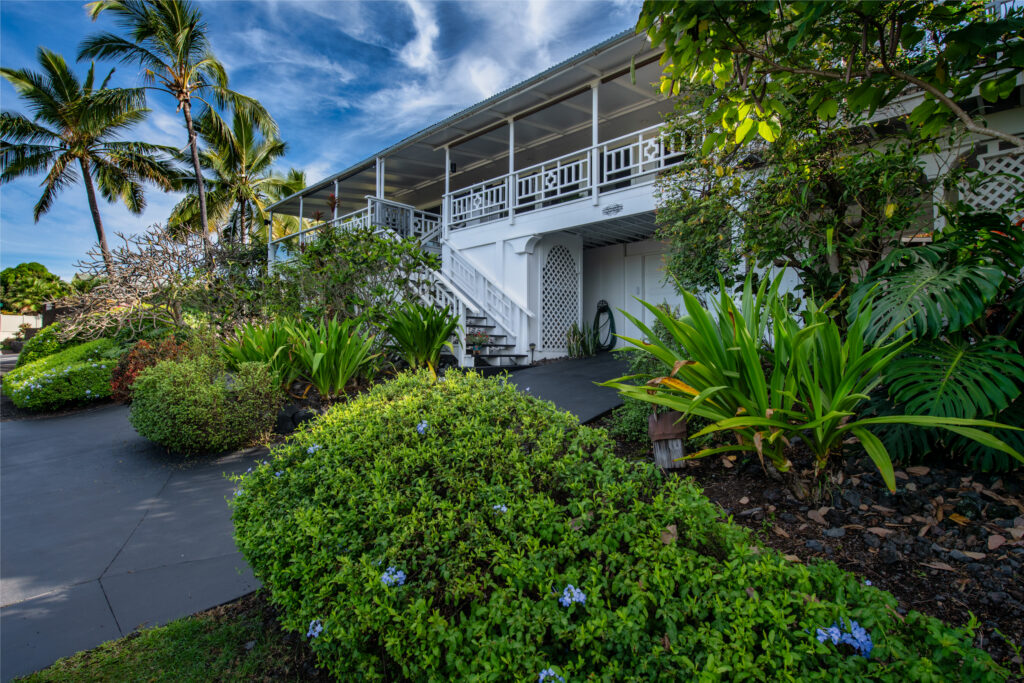
This is especially important on the Big Island because our environment is harder on homes than many mainland areas. Salt air, humidity, heavy rain, tropical weather, termites, and older construction all play a role in homeownership here.
A good agent will help you slow down, understand what is normal, what is serious, and what can realistically be negotiated. Because reading inspection reports without guidance can send people into a complete spiral.
2. The Buyer’s Financing Changes During Escrow
Many think pre-approval means financing is fully complete. It’s not. Once escrow opens, the lender begins a much deeper review of the buyer’s finances, employment, debts, assets, tax returns, bank statements, and the property itself.
And sometimes issues come up.
I’ve seen home sales fall apart because:
- Buyers changed jobs during escrow
- A large purchase suddenly appeared on a credit report
- The condo complex had lending restrictions
- Insurance costs changed the loan approval
- The appraisal came in low
- Debt-to-income ratios shifted
This happens more often than many expect. Some condo complexes can have financing challenges depending on owner occupancy ratios, insurance requirements, reserve funds, or short-term rental usage.

The difficult part is buyers are usually emotionally attached to the property by this point. They’ve already started imagining life there.Then suddenly the lender says the loan no longer works. That’s why having a strong local lender and a knowledgeable buyer’s agent matters so much, especially in Hawaii’s condo market where every complex can be slightly different. The right representation can absolutely make or break a home sale.
I recently sold a property at Makana Kai in Waikoloa Village where the lender required a minimum 10% down payment for first-time home buyers due to the high percentage of investor-owned units within the complex. Situations like this can surprise buyers, especially those unfamiliar with condo financing in Hawaii, because lending requirements can vary significantly from one complex to another.
This is also why working with local professionals who understand the nuances of specific condo communities is so important. What works for financing in one complex may not work in another, even if the properties are only a few minutes apart.
3. The Buyer Needs to Sell Their Current Home First
This has become increasingly common in today’s buyers market.
Folks are relocating to Hawaii and need the proceeds from selling their current home in order to purchase the next one. I’ve seen situations where a buyer is fully committed to purchasing a home here on the Big Island, but their mainland property suddenly sits on the market longer than expected. Or worse, their own buyer cancels during escrow.
Now the funds they were relying on are gone. And unfortunately, that can cause the Hawaii purchase to fall apart too.
These situations are stressful for everyone involved because often nobody did anything wrong. The timing simply didn’t line up.
This is why sellers carefully evaluate contingent offers and why buyers need realistic expectations about timelines in today’s market. These types of sales can be especially challenging because they often require coordinating the sale and closing of two properties at the same time, which can quickly turn into a juggling act to get everything aligned correctly.
I currently have a buyer purchasing a condominium, and to make the sale work successfully it has been all about timing, specifically getting their current home on the market at the right time and structuring the escrow periods correctly to ensure their funds are received in time for closing here in Hawaii.
The Bigger Picture Buyers Should Understand
If a home falls out of escrow, it does not automatically mean something is wrong with the property.
Sometimes it’s inspections.
Sometimes it’s financing.
Sometimes life simply changes during the process.
Escrow is a moving timeline with many people involved: buyers, sellers, lenders, escrow officers, inspectors, contractors, insurance companies, HOAs, appraisers, and agents all trying to coordinate together.
For those unfamiliar with the process, especially in Hawaii, it’s important to understand that escrow is not designed to be perfect. It’s designed to uncover information before you fully commit to the purchase.
And honestly, that’s a good thing.
Because the goal isn’t just to get a buyer into escrow. The goal is to help you make a confident and informed decision about one of the largest purchases of your life.
With aloha,
Leeana